reform

Blogging Borgmann: TCCL Chapter 20, "The Possibilities of Reform"

Note: This entry is part of a series where I am blogging chapter-by-chapter through the book Technology and the Character of Contemporary Life ( TCCL) by Albert Borgmann. If you’re new, you may want to start at the Overview. This is the first chapter of Part 3, “The Reform of Technology”, where we are going to consider how focal things and practices can amount to a solid reform of technology. We have some difficult topics to cover: how have attempts already been made to reform technology? How can we use language, itself patterned and conditioned by technology, to speak of reform? What exactly are these vaunted “focal things and practices”? If reform is even possible, how can it be extended to the national/international dialogue? Ultimately the goal here is to repair society to that it can recover and re-appropriate the initial hopes and promises of technology. ...
March 27, 2015 · 8 min · Jonathan Lipps
scaffolding

Blogging Borgmann: TCCL Chapter 19, "The Stability of Technology"

Note: This entry is part of a series where I am blogging chapter-by-chapter through the book Technology and the Character of Contemporary Life ( TCCL) by Albert Borgmann. If you’re new, you may want to start at the Overview. The point of this last chapter of Part 2 is to explore how “stable” the technological condition is on its own. We need to address this question because we’ve established that the technological condition is in need of reform. But if the whole thing isn’t very stable to begin with, then reform/revolution is easy: we simply wait for technological culture to fall apart on its own. In fact, many critics of technology take essentially this view—they believe technology is inherently unstable or has self-defeating tendencies. Borgmann disagrees with this assessment. His view is that technology has the resources within itself to solve whatever problems confront it, even the internal problems. The way that it will solve these problems is by continuing to extend the Device Paradigm into new areas, until it encompasses the whole of existence. Thus it is not a matter of technology “running out of steam” (pun intended), except accidentally or incidentally; it’s a matter of being clear about what a fully-technologized reality looks like so that we can attempt the necessary reform before it gets to that point. And that reform can’t be implemented if we misjudge the strength of the technological position. ...

March 17, 2015 · 7 min · Jonathan Lipps
leisure

Blogging Borgmann: TCCL Chapter 18, "Leisure, Excellence and Happiness"

Note: This entry is part of a series where I am blogging chapter-by-chapter through the book Technology and the Character of Contemporary Life ( TCCL) by Albert Borgmann. If you’re new, you may want to start at the Overview. We come now to one of the longest and, in my opinion, most interesting chapters of TCCL. The counterpart to the subject of the previous chapter (labor in technological society) is leisure. We recall that the splitting of life’s occupations into two distinct modes (labor and leisure) mirrors exactly the working of the Device Paradigm. Labor becomes the hidden machinery and leisure the surface, the commodity we are fundamentally “about” in life. Borgmann points out in this chapter that critiquing technological labor (what we have done in the previous chapter) is therefore only one side of the story: even proponents of technological society would readily admit that technological labor may not be the most fulfilling or most meaningful aspect of technological life. But the reason we accept the kind of work available in technological society is because it opens the possibility of leisure, of happiness—this is what the work is for. Surely technological society’s most compelling argument is to be found in the supposed fruits of technology, a life of leisure. ...

February 10, 2015 · 12 min · Jonathan Lipps

Blogging Borgmann: TCCL Chapter 17, "Work and Labor"

Note: This entry is part of a series where I am blogging chapter-by-chapter through the book Technology and the Character of Contemporary Life ( TCCL) by Albert Borgmann. If you’re new, you may want to start at the Overview. The previous 16 chapters have sufficed to give us a good sketch of the character of technology, outlining it and delineating it in various ways. But now Borgmann is concerned to give the picture some depth, some attachment to the world that we all live in so as to impress upon us the seriousness of our current social predicament and how the Device Paradigm now typifies the structure of something so essentially quotidian as work. There are of course many other clear examples of the impact of technology in our world, in science, the military, etc… But work and leisure are concepts with which every citizen is intimate, and so showing the radical effect of technology in this sphere is a good way to implicate each of us in its operation. ...

November 18, 2014 · 8 min · Jonathan Lipps

Blogging Borgmann: TCCL Chapter 16, "Political Engagement and Social Justice"

Note: This entry is part of a series where I am blogging chapter-by-chapter through the book Technology and the Character of Contemporary Life ( TCCL) by Albert Borgmann. If you’re new, you may want to start at the Overview. This is the last chapter in the section on technology and its relationship with the political aspect of society. One of Borgmann’s primary insights here is that technology is a good explanation for the social and political apathy that is so prevalent, yet so disturbing in a nation like the US whose founding ideals are very much linked with political engagement. ...

October 29, 2014 · 5 min · Jonathan Lipps

Blogging Borgmann: TCCL Chapter 15, "The Rule of Technology"

Note: This entry is part of a series where I am blogging chapter-by-chapter through the book Technology and the Character of Contemporary Life ( TCCL) by Albert Borgmann. If you’re new, you may want to start at the Overview. In this chapter, Borgmann is interested in answering the question of how people actually relate to technology in our society, regardless of the role technology plays in the political theories that undergird society. Looking at empirical sociological data is difficult, because so many interpretations can be given to, e.g., survey data. So he acknowledges that we have to come to the data with a bit of a guiding premise, which the previous chapters have provided. ...

September 24, 2014 · 6 min · Jonathan Lipps

Blogging Borgmann: TCCL Chapter 14, "Technology and Democracy"

Note: This entry is part of a series where I am blogging chapter-by-chapter through the book Technology and the Character of Contemporary Life ( TCCL) by Albert Borgmann. If you’re new, you may want to start at the Overview. We now continue our discussion of technology and the political arena. This chapter in particular is about the theoretical dimension of politics, i.e., how people have formulated the ideas behind our political system and how they interact with technology. We in the US and many other places exist within what is broadly known as the “liberal democratic tradition”. It can be defined succinctly as the intersection of the values of liberty, equality, and self-realization. More than anything else, liberal democracy wants to leave the question of the good life (what is it to live well as a human being?) open, because it believes the individual self must determine its own answer to that question. ...

September 9, 2014 · 5 min · Jonathan Lipps
iont

Internet of Nothings

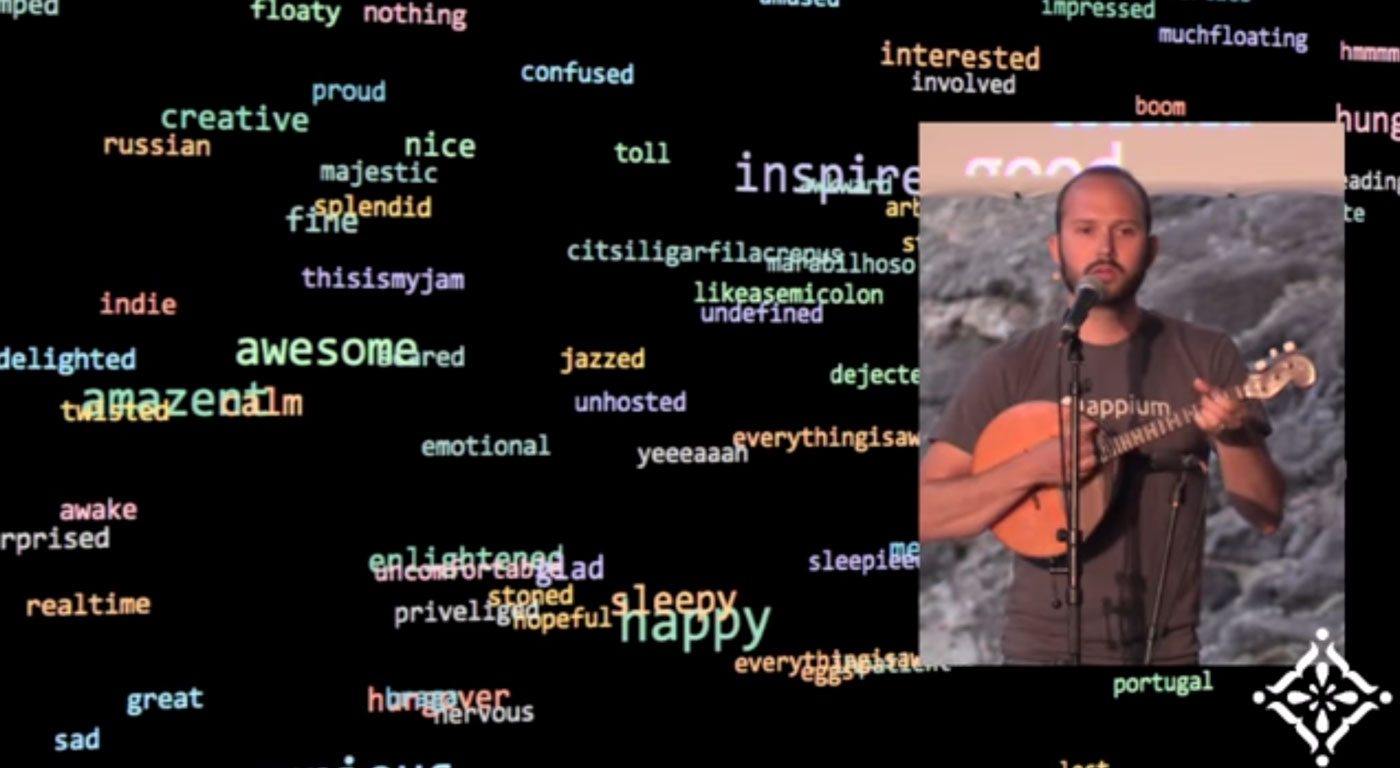
I gave a talk today called Internet of Nothings: Technology and Our Relationship With the Things in Our World at LXJS, a JavaScript conference in Lisbon, Portugal. I’m excited to have been given the opportunity to talk about the philosophy of technology! There’s an embedded video of the talk below, and I’ve included the slides, the slightly-edited text of my notes, as well as the lyrics to the song I performed. If you’re new to my blog and this topic, I recommend checking out my Blogging Borgmann series, where I’m blogging chapter-by-chapter through a book on the philosophy of technology by Albert Borgmann. Enjoy! ...

June 28, 2014 · 21 min · Jonathan Lipps

Blogging Borgmann: TCCL Chapter 13, "Technology and the Social Order"

Note: This entry is part of a series where I am blogging chapter-by-chapter through the book Technology and the Character of Contemporary Life ( TCCL) by Albert Borgmann. If you’re new, you may want to start at the Overview. This chapter is the first of four on the relationship of technology to social and political issues. Borgmann is trying to argue that we should conceive of and judge society and politics in the light of technology, and that it is in social life or politics that the device paradigm must finally be discussed, since these areas of life are those that receive the most attention. Unfortunately, the fundamental modus operandi of technology is not yet recognized in this sphere. ...

December 26, 2013 · 4 min · Jonathan Lipps

Blogging Borgmann: TCCL Chapter 12, "Paradigmatic Explanation"

Note: This entry is part of a series where I am blogging chapter-by-chapter through the book Technology and the Character of Contemporary Life ( TCCL) by Albert Borgmann. If you’re new, you may want to start at the Overview. One of the foundational aims of Borgmann’s whole book is the attempt to actually give an explanation for technology. Hence we discussed what counts as an explanation in the scientific realm in earlier chapters. In this middle section of the book, Borgmann is concerned to substantiate the notion of the Device Paradigm, not just as a feature of technology but as a way of explaining technology and everything that goes along with it. ...

December 24, 2013 · 3 min · Jonathan Lipps